Define the work before selecting coverage
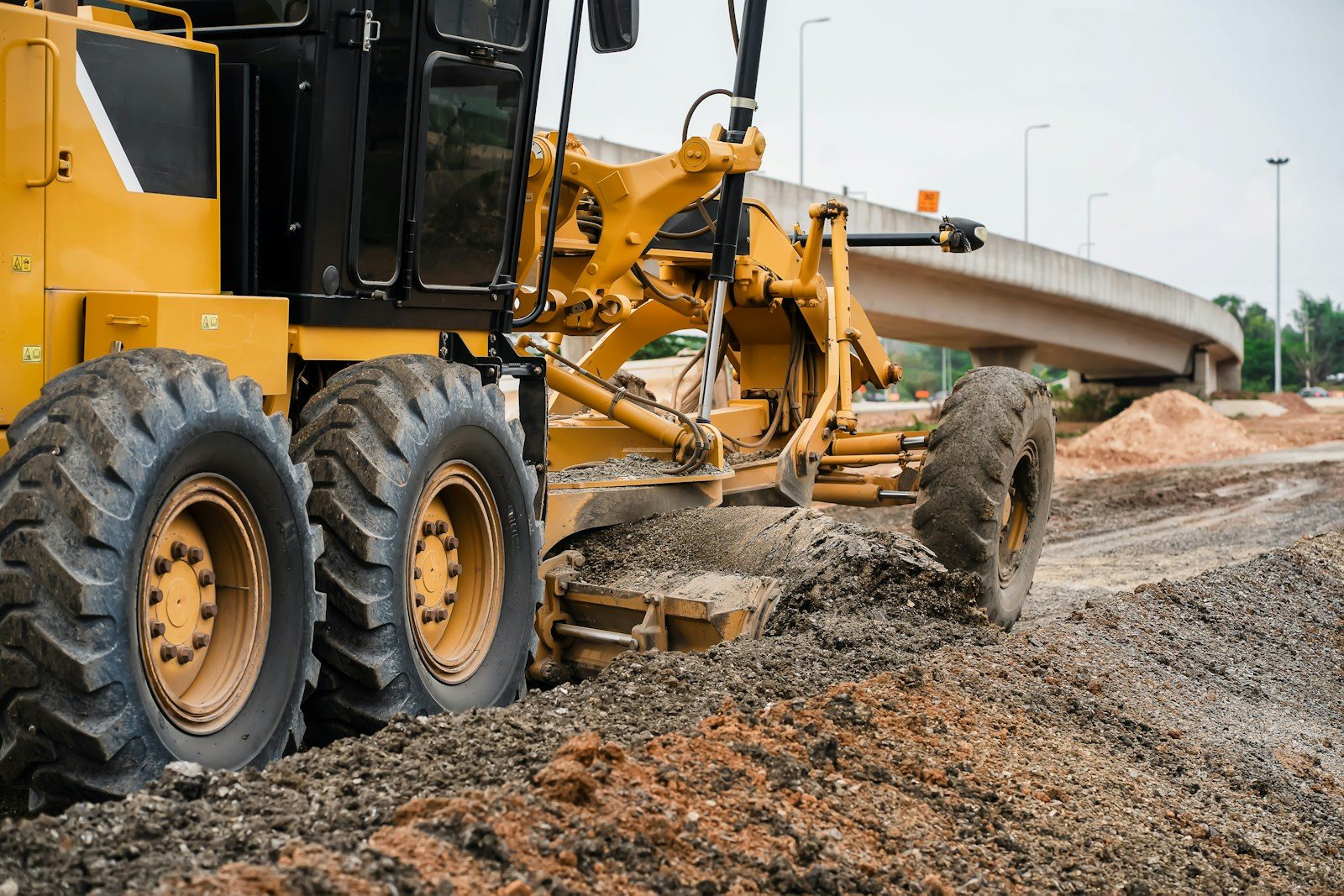
Site preparation, grading, trenching, foundation excavation and earthmoving. Identify rock work, blasting, dewatering and contaminated soil handling separately.
Exposures to examine
- Utility strikes
- Trench collapse
- Vibration or subsidence damage
- Runoff and sediment migration
Contract and project considerations
Review excavation, collapse, underground property and subsidence provisions. An 811 request alone does not resolve every locating, private-line or safe-excavation obligation.
Prepare a useful underwriting submission
- Maximum depth and soil conditions
- Utility locating and verification procedures
- Adjacent structure surveys
- Equipment schedule and haul distances
Geography, workforce and project structure
Describe project locations, typical excavation depths, soil conditions and the extent of hauling or shoring in your contracts. Separate payroll and subcontract costs for grading, trenching and related operations, and provide project values, equipment schedules, policies and loss history before reviewing work in a new state.
Sources & further reading
Reference review: October 27, 2026 · Content owner: Montridge Insurance Services, Inc.
Official references support their stated regulatory or educational topics. They do not verify policy terms or a particular contractor’s compliance.