Define the work before selecting coverage
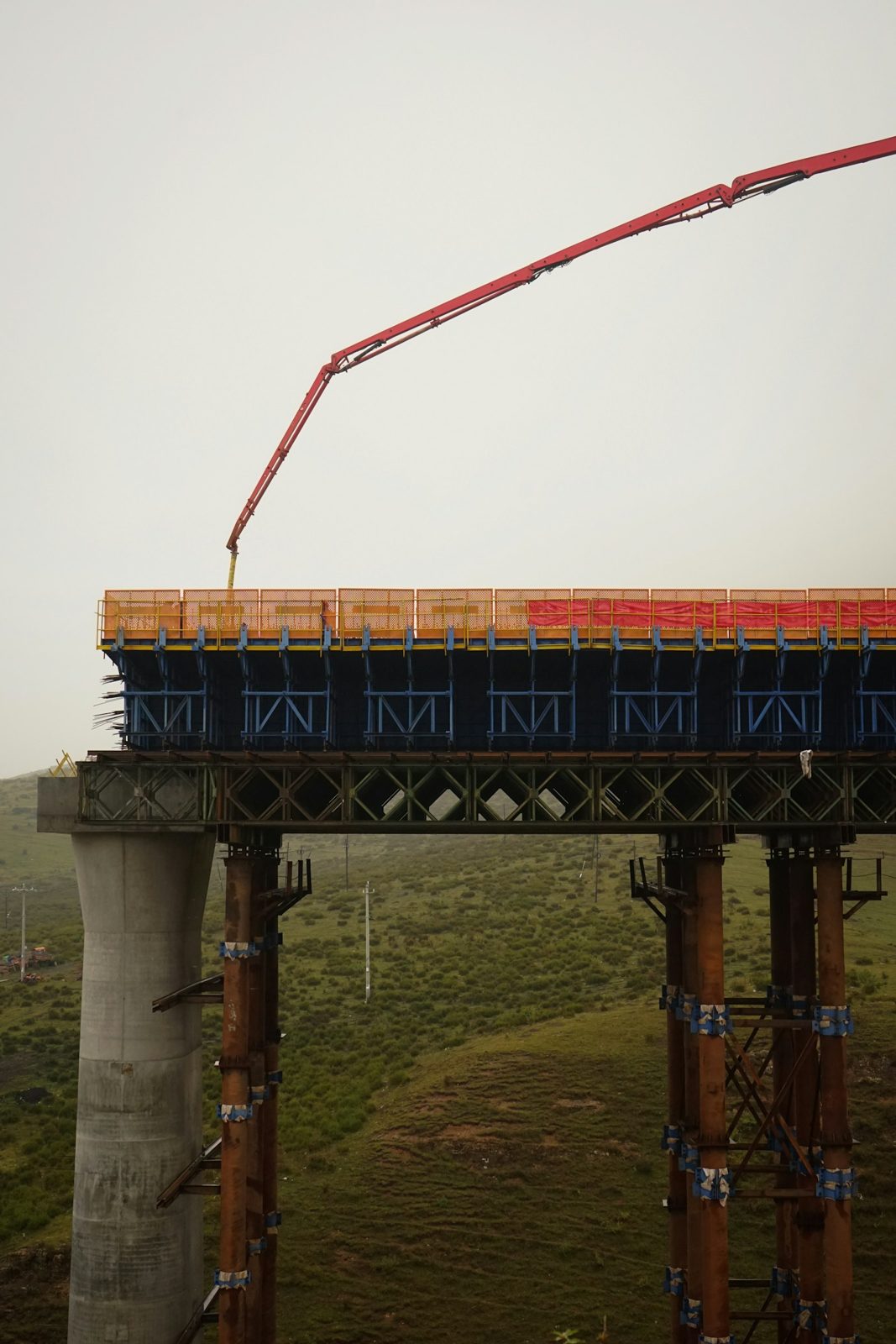
Foundations, slabs, sidewalks, elevated decks, pumping, precast work and structural repairs. Identify structural versus nonstructural work, shoring responsibilities and engineering input.
Exposures to examine
- Formwork failure
- Silica exposure during cutting
- Damage to buried utilities
- Cracking or settlement allegations
Contract and project considerations
Clarify who designs and approves temporary works. A policy that may address resulting damage should not be treated as a warranty of concrete quality or a guarantee to replace defective work.
Prepare a useful underwriting submission
- Revenue split by structural and flatwork
- Maximum working height and excavation depth
- Pumping equipment and operator controls
- Testing, batch tickets and quality records
Geography, workforce and project structure
Describe where crews place concrete and how the workload divides among foundations, elevated decks, paving and other concrete operations. Separate employee payroll from subcontracted pumping, forming and finishing costs, and bring project values, policies and loss runs for review before adding territories or structural work.
Sources & further reading
Reference review: October 27, 2026 · Content owner: Montridge Insurance Services, Inc.
Official references support their stated regulatory or educational topics. They do not verify policy terms or a particular contractor’s compliance.